Iran-US War Live: Trump Calls Ceasefire "On Massive Life Support" After Rejecting Tehran's Peace Proposal
There is something deeply unsettling about watching a potential war wind down , or not. The back-and-forth between Washington and Tehran right now has that quality. One moment, it looks like a deal is close. Next, the whole thing feels like it could collapse before midnight.
That is exactly where things stand today.
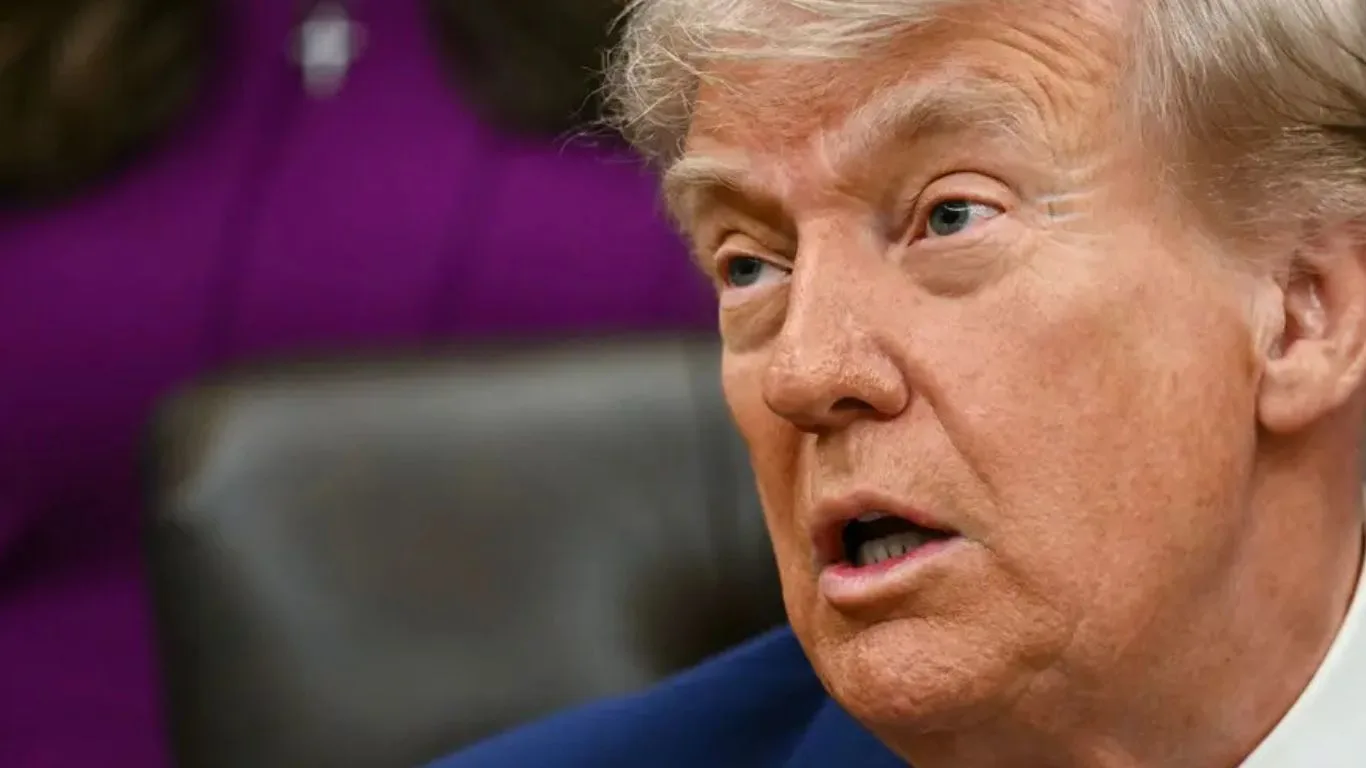
Donald Trump declared publicly that the Iran-US ceasefire is "on massive life support," adding that there is perhaps a one per cent chance of it surviving. He did not mince words. He called Iran's latest response to America's peace proposal "garbage" and said he did not even bother reading it to the end. That's not diplomatic language. That is frustration, possibly calculated, possibly genuine , probably both.
Why the Iran-US Peace Talks Are Collapsing Right Now
The background here matters. The US had put forward a framework for ending the conflict , one that reportedly centred on Iran giving up its enriched nuclear material in exchange for sanctions relief and a formal end to hostilities. A one-page memo, according to some reports, that officials from both sides were quietly said to be "closing in on."
Read More: WhatsApp Ending Support for Older Android Phones in September 2026: Is Your Device on the List?
Iran responded. But its counter-proposal, according to Trump and senior US officials, walked back key commitments , particularly around enriched uranium. Trump was blunt about it: "Are they stupid people?" he reportedly asked in one briefing. Strong words. The kind that doesn't leave much room for the next round of talks.
Iran, for its part, described its proposal as "legitimate and generous." Iranian officials insist their terms are reasonable. The speaker of Iran's parliament went further , saying the Iranian army is ready to "teach a lesson" if aggression continues. That is the language of defiance, not compromise.
So you have two parties, both claiming the moral high ground, and a ceasefire that nobody officially declared dead, but nobody seems willing to keep alive either.
What Iran Actually Proposed , and Why the US Rejected It
This is the part most people want to know, and it gets skipped over in the noise.
Iran's counter-proposal, based on reports from multiple outlets, reportedly included demands for compensation for war damages. It also apparently pulled back on earlier indications that Tehran might accept strict limits on uranium enrichment. That was the sticking point. The US framework was built on the assumption that Iran would agree to cap its nuclear program in verifiable ways. Without that, from Washington's perspective, there is no deal , just a pause.
Trump described it as Iran reneging on what it had previously agreed to, in principle, during earlier rounds of Omani-mediated talks. That history matters. Negotiations had reportedly made quiet progress over several weeks, with Oman acting as the go-between. The moment Iran's written response landed in Washington, something shifted.
What "Ceasefire on Life Support" Actually Means
When a US president uses language like that publicly, it is not an accident. It is a signal.
It tells Iran , and the world , that the US is not going to be the one that looks like it gave up. It keeps military options visibly on the table. Multiple outlets confirmed that Trump is weighing at least two distinct options in the event talks fully break down, including the possibility of renewed or intensified military action.
It also rattled markets. Oil prices jumped on the news, with traders factoring in the continued closure of the Strait of Hormuz, through which a significant portion of the world's oil flows. Copper prices, gold, and other commodities also moved. This is what happens when geopolitical risk becomes suddenly, visibly higher.
The Strait of Hormuz: The Economic Pressure Point Nobody Can Ignore
Iran has kept the Strait of Hormuz closed or severely restricted throughout this conflict. That single chokepoint connects the Persian Gulf to the wider world. Roughly 20 per cent of the global oil supply passes through it.
Read More: Modi in Gangtok: What Sikkim's 50 Years of Statehood Really Means for India's Smallest State
The longer it stays closed, the more pressure builds , not just on oil markets but on global supply chains, shipping insurance rates, and the economic outlook for nations far removed from the actual fighting. Nations are already bracing for what economists are calling "long-term economic woes." That phrase from the New York Times captures it well. This isn't just a Middle Eastern conflict anymore. It has global economic weight.
Is There Any Path Left to a Deal?
The honest answer: possibly, but it is narrow.
Talks have not been formally declared dead. Oman and other intermediaries are still in the picture. There are reports that diplomats on both sides are still communicating through back channels. The fact that Trump used the phrase "massive life support" rather than "over" suggests the door has not been bolted shut , just pushed mostly closed.
What could change the picture? Iran agreeing to return to its earlier, more flexible position on nuclear enrichment would be the most direct path. A change in political dynamics inside Iran, or a shift in Trump's domestic calculus, could also reopen space. Neither looks easy right now.
Iran's stance seems to be: we've made a reasonable offer, the US should engage seriously. The US stance is: the offer is unacceptable, and we are prepared for alternatives. That's not a negotiating dynamic. That is two parties waiting for the other to blink.
Read More: UAE Quits OPEC Amid Iran War – Impact on Global Oil Markets & Prices
What Happens If Talks Break Down Completely
This is the question that matters most, and the one with the fewest comfortable answers.
A full collapse of negotiations would likely mean a return to active hostilities , or at a minimum, an escalation of the pressure campaign on both sides. Israel, which has been intensifying its strikes in South Lebanon, would become an even more central actor. Six people were killed in fresh Israeli strikes in South Lebanon, even as these diplomatic developments were unfolding.
Iran-Israel tensions remain at a hair trigger. US military options in the region have not been stood down. And the economic costs of continued Strait of Hormuz closure would compound weekly.
The world is watching, not always understanding, and hoping someone , anyone , makes the call to step back from the edge.
The situation is genuinely uncertain, and that uncertainty has weight. Peace processes don't usually fail all at once. They fray slowly, one rejected proposal at a time, until someone looks up and realises the window has closed. Whether that's what's happening here, or whether this is strategic posturing ahead of one more round of talks , that's the question the world will be watching closely in the hours and days ahead.
Disclaimer: This article is based on information available across the web. Parchar Manch does not take responsibility for its complete accuracy, as the content could not be fully verified.
Read More: Modi in Gangtok: What Sikkim's 50 Years of Statehood Really Means for India's Smallest State