Types of Scrap Materials Recyclable in India | Complete Guide | IndiaRecycle.in
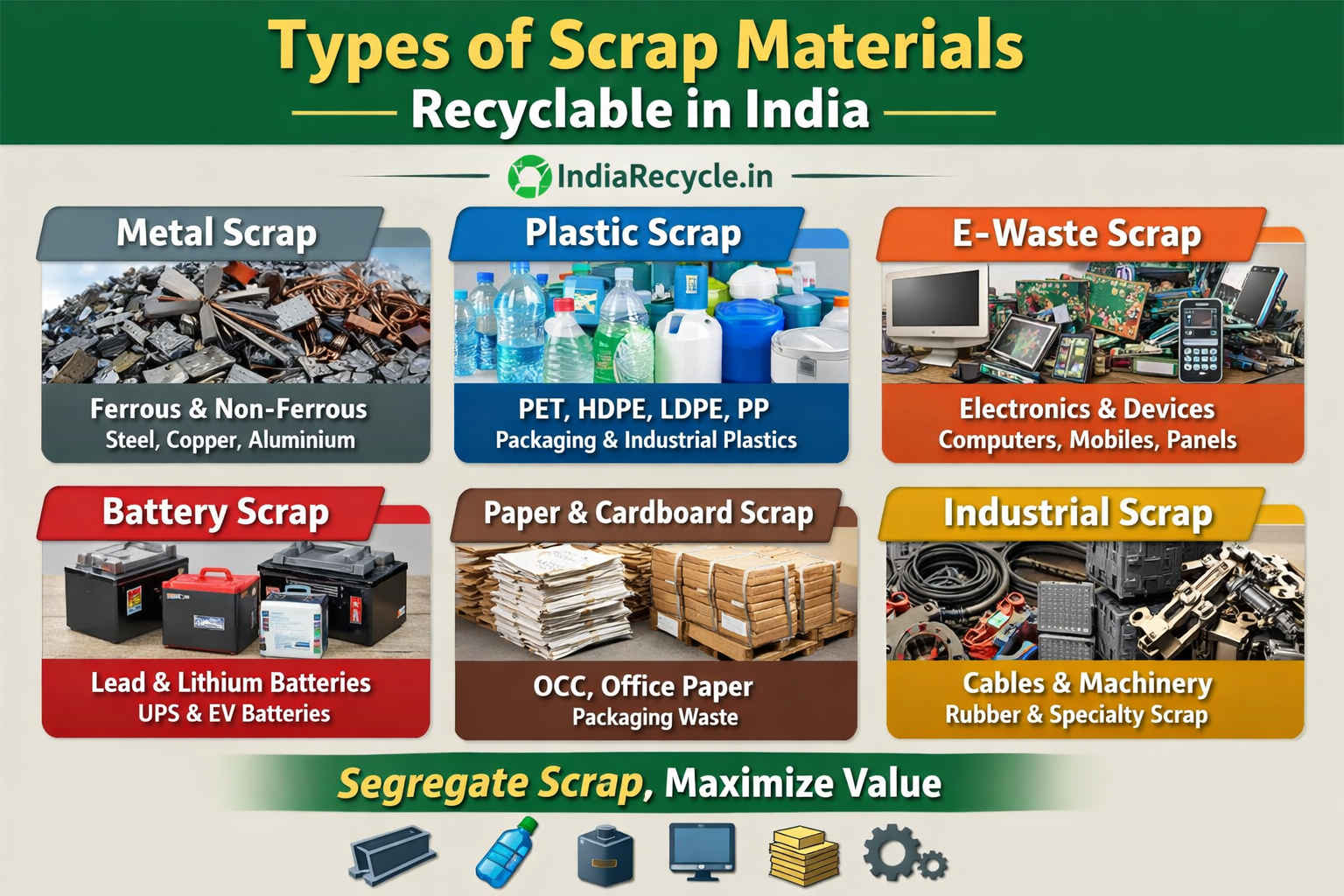
India generates millions of tonnes of recyclable scrap every year across industries, infrastructure projects, and commercial operations. However, one of the biggest reasons businesses lose value—or face compliance risk—is lack of clarity on what types of scrap are recyclable and how they should be handled.
This guide explains the major categories of scrap materials recyclable in India, their common sources, and why proper segregation matters.
Why Understanding Scrap Categories Is Important
Knowing scrap types helps businesses:
- Identify the right recyclers
- Improve realization through better segregation
- Reduce rejection and contamination issues
- Support ESG and EPR compliance
- Enable traceable, responsible recycling
Not all scrap is equal. Classification directly impacts value and recyclability.
1. Metal Scrap (Highest Industrial Demand)
Metal scrap forms the backbone of India’s recycling economy.
Ferrous Scrap
Commonly includes:
- HMS (Heavy Melting Scrap)
- Structural steel scrap
- Turnings and borings
- CRC and GI scrap
Sources:
Manufacturing units, fabrication yards, construction sites.
Used by:
Steel mills, foundries, rolling plants.
Non-Ferrous Scrap
Includes:
- Copper (Bare Bright, DC, OC, Mix)
- Aluminium (extrusions, castings, cans)
- Brass and bronze
Why valuable:
High recovery rates and strong demand from electrical, automotive, and engineering sectors.
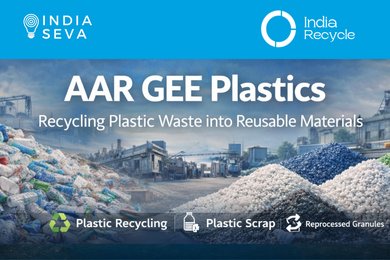
2. Plastic Scrap (Compliance-Critical Category)
Plastic recycling depends heavily on type and segregation.
Common Recyclable Plastics
- PET (bottles, packaging)
- HDPE (containers, drums)
- LDPE (films, covers)
- PP (industrial components)
Challenges
- Mixed plastics reduce value
- Contamination impacts recyclability
- Not all plastics are accepted by every recycler
Key takeaway: Proper segregation dramatically improves recovery and compliance.
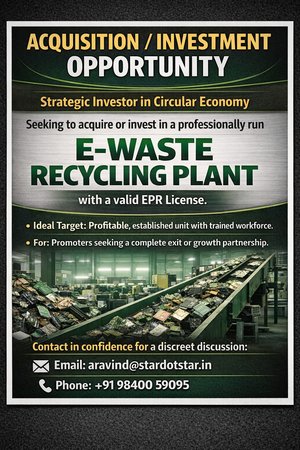
3. E-Waste Scrap (Regulated Category)
E-waste includes discarded:
- Computers and servers
- Mobile phones
- Electrical panels
- Industrial electronics
Why special handling is required:
- Contains hazardous substances
- Governed by strict recycling rules
- Must be handled by authorized recyclers
E-waste recycling focuses on material recovery and pollution prevention, not just disposal.
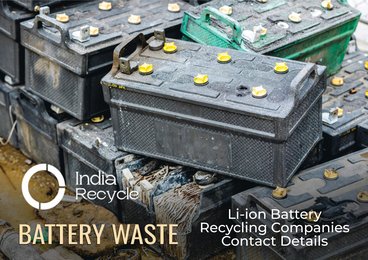
4. Battery Scrap (High-Risk, High-Value)
Battery recycling is one of the fastest-growing segments.
Common Types
- Lead-acid batteries
- Lithium-ion batteries
- Industrial UPS and EV batteries
Why regulated:
- Fire and environmental risks
- Toxic materials involved
- Strict transport and recycling norms
Only specialized recyclers are equipped to handle battery scrap safely.
5. Paper & Cardboard Scrap
Often underestimated but widely recyclable:
- OCC (corrugated boxes)
- Office paper
- Packaging waste
Sources:
Warehouses, offices, retail, logistics hubs.
Used by:
Paper mills and packaging manufacturers.
6. Industrial & Specialized Scrap
Includes:
- Cable and wire scrap
- Machinery scrap
- Rubber scrap
- Textile and composite waste
These categories require sector-specific recyclers and technical processing.
Why Segregation Determines Scrap Value
Poorly segregated scrap:
- Attracts lower prices
- Faces rejection by recyclers
- Increases compliance risk
Well-segregated scrap:
- Improves realization
- Enables faster pickups
- Builds long-term recycler relationships
Segregation is value creation, not overhead.
Informal vs Organized Handling of Scrap
|
Informal Handling |
Organized Recycling |
|
Mixed materials |
Category-wise segregation |
|
Limited buyers |
Specialized recyclers |
|
Minimal records |
Traceable processing |
|
Price-first approach |
Value + compliance |
As regulations tighten, organized recycling is becoming the default.
How
Helps
IndiaRecycle.in enables businesses to:
- Discover recyclers by scrap category
- Connect directly without intermediaries
- Improve visibility across India
- Support responsible recycling practices
The platform focuses on discovery, not trading—helping the right materials reach the right recyclers.
Final Thoughts
Understanding recyclable scrap types is the foundation of:
- Better pricing
- Lower risk
- Stronger compliance
- Circular economy participation
Scrap is not waste—it is recoverable industrial value when handled correctly.
Build Your Recycling Network
Buy • Sell • Recycle Responsibly
Find recyclers and recycling services across India at IndiaRecycle.in